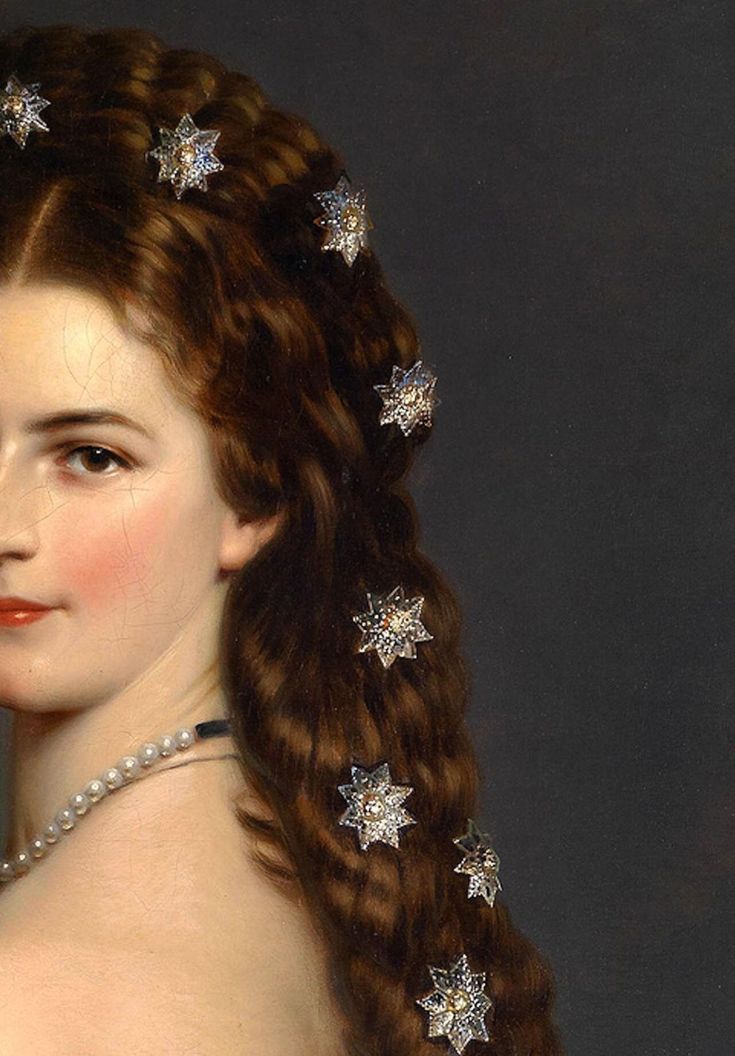
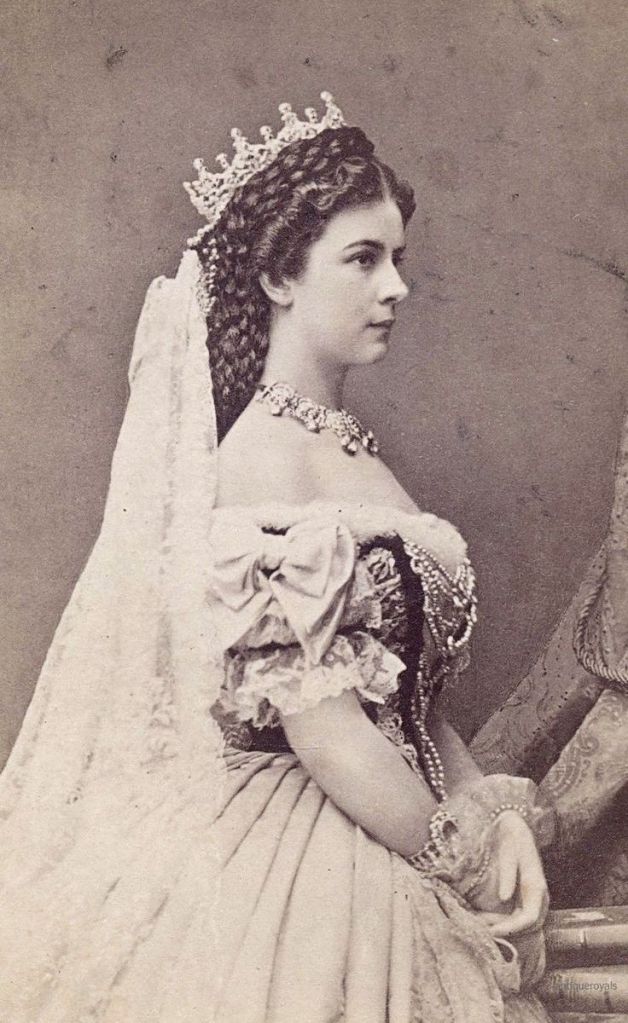
Empress Elisabeth of Austria, who passed away on 10 September 1898, continues to captivate audiences 125 years later. With her beauty, tragic story, and powerful presence, it’s no wonder that the tale of this ill-fated royal beauty has endured through the years. Reflected in recent cultural releases such as Netflix’s The Empress and the 2022 film Corsage, with Vicky Krieps portraying the Empress, Elisabeth, fondly known as ‘Sissi’, has once again emerged as an icon in the public eye.
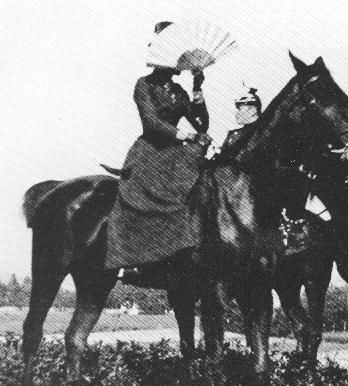
Born into the royal Bavarian House of Wittelsbach, Elisabeth enjoyed an informal upbringing, where her hands-on mother and father raised her to explore the countryside and enjoy creative musings. The young Sissi wed Emperor Franz Joseph I of Austria at the age of 16, a marriage that thrust her into formal Habsburg court life, for which she was unprepared and found unpleasant. Eccentric and educated in the values of creativity and adventure, the dullness of royal life was no match for Sissi. In an act of defiance, the empress took up smoking (ironic, considering her fear of ageing), riding and gymnastics during her marriage, which caused her to become a reluctant victim of gossip.
Considered beautiful in her day, the royal’s good looks and elegant features were often credited with retaining a public interest in the Austrian court. Elisabeth’s mother-in-law, the infamous Archduchess Sophie, once wrote of Sissi, ‘It is the Empress who attracts them all. For she is their joy, their idol’.
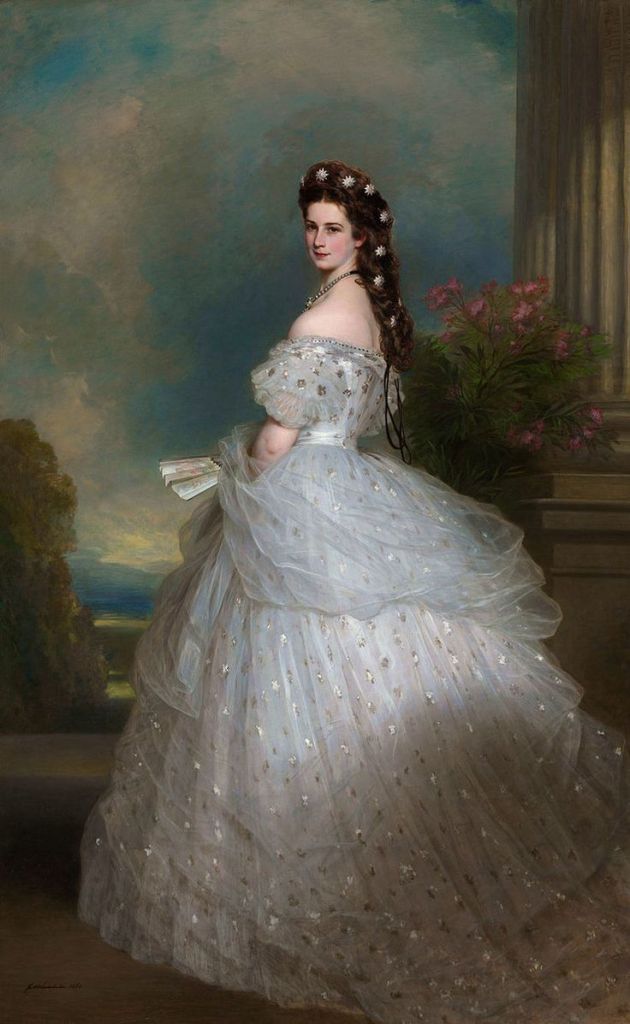
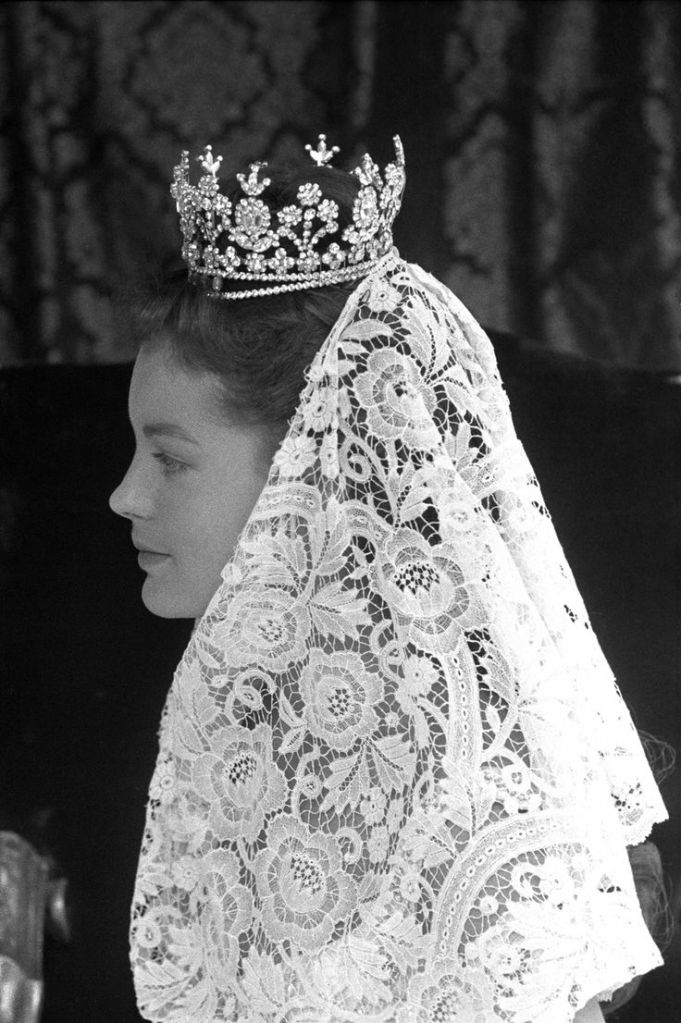
Indeed, Elisabeth’s beauty left such a lasting impression that, in 1955, the Hollywood star Romy Schneider was selected to portray the empress in the beloved German film Sissi. The film primarily revolves around the royal’s stunning appearance and presents a romanticized depiction of her relationship with her husband, played by Karlheinz Böhm.
However, the young empress, despite her graceful appearance, was far from the epitome of beauty and good health. Struggling the oppressive atmosphere of palace life, she developed an eating disorder and severe depression. Her relentless pursuit of beauty led to demanding beauty rituals, such as a three-hour hair routine (which to be fair looks like it was worth it!), alongside a vigorous exercise regimen. Despite enduring four pregnancies, she maintained an astonishingly low weight of approximately 110 pounds and a 16-inch waist throughout her life. The pressure to uphold her appearance took a heavy toll, leading her to be dubbed as ‘graceful, but too slender’ and ‘extremely unhappy’ by those around her.
Additionally. the empress’s relationship with Emperor Franz Joseph did nothing to soften her misery. Despite what might have been displayed in Schneider’s on-screen relationship with Böhm, Elisabeth was largely unhappy at the prospect of her marriage, so unhappy that in the minutes following her nuptials the young bride was seen sobbing from her carriage as she passed through precessions of excited Austrians. Once inside the palace gates, her overbearing mother-in-law, dull husband and the sudden death of her infant daughter, Sophie, caused Sissi a large degree of emotional pain. Later in her life, the empress would go through further tragedy with the loss of her only son, Rudolph, to a murder-suicide in 1889.
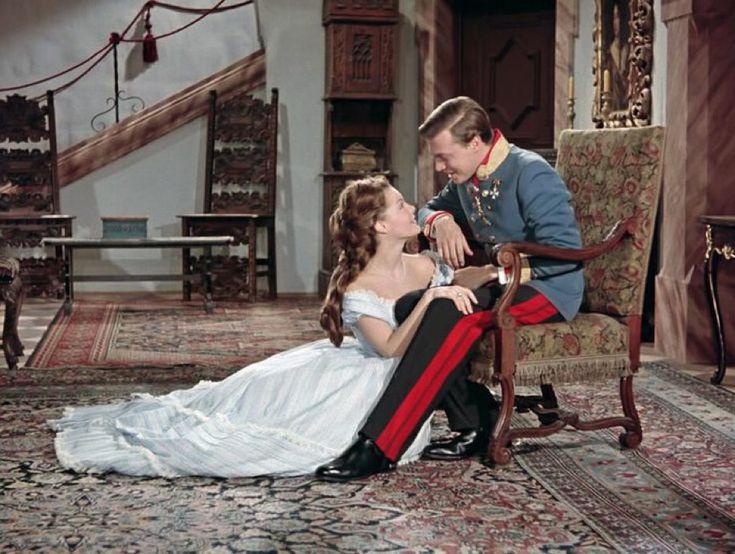
A very romanticised portrayal of their relationship in the aforementioned film, ‘Sissi’
Unsurprisingly, Elisabeth turned to seeking solace in Hungary during intense episodes of sadness, using it as a refuge to recuperate from her sorrow and flee from her unhappy marriage. It was these escapades and her avid reading habit that offered the royal some respite throughout her life. Amidst her meticulous haircare rituals, Elisabeth capitalised on the time to delve into language learning; she effortlessly conversed in English and French, and incorporated modern Greek into her Hungarian language pursuits. The empress once candidly confided in her Greek instructor: “The process of styling my hair consumes almost two hours… and while my hair is being attended to, my mind remains unoccupied. I fear that my thoughts escape through my hair and reach the hands of my hairdresser, hence the headaches that follow.”
Like so many women who came before and after her, historic accounts of Elisabeth’s intelligence have been shamefully neglected. Sissi found it impossible to sleep, choosing instead to spend her nights immersed in reading and writing. With a deep passion for history, philosophy, and literature, the empress developed a strong affinity for the German lyric poet and radical political thinker Heinrich Heine. She not only collected his letters but also found inspiration in his work, even venturing into poetry herself.
Empress Elisabeth of Austria’s tragic life ended in an equally tragic death after she was assassinated with a needle file in 1898. Leaving behind a legacy of beauty and eccentricity, Elisabeth is now remembered through paintings and photographs which, in a bid to stay young forever, she refused to have taken after the age of 30.

Why not continue reading with some of my other posts!


 Mimi's Mem's
Leave a comment