“For anyone approaching the history of witch trials in Europe, Brian Levack has written the indispensable book – a thorough, accessible and extremely intelligent guide to a complex and often misunderstood phenomenon. Extensive notes and bibliographies in the revised edition provide a road map to further reading and research at all academic levels.”
Mary R. O’Neil, University of Washington, USA
After my inaugural blog (eek!) post discussing witchcraft, it seems only fair to follow up with a review of a witchcraft book 🙂
One book that I have really enjoyed reading is ‘The Witch-Hunt in Early Modern Europe’ by Brian Levack. To summarise briefly, it is a highly engaging, concise survey on the topic and, in my opinion, is the perfect introduction to the debate of which factor had the greatest influence on the rise in persecution during the The Great European Hunt. The book consists of:
- Chapter 1: Introduction
- Chapter 2: The intellectual foundations
- Chapter 3: The legal foundations
- Chapter 4: The impact of the Reformation
- Chapter 5: The social context
- Chapter 6: The dynamics of witch-hunting
- Chapter 7: The chronology and geography of witch-hunting
- Chapter 8: The decline and end of witch-hunting
- Chapter 9: Witch-hunting after the trials
As you can probably infer from the titles of the chapters, Levack approaches the debate in a balanced manner, discussing many factors that have been proposed by multiple other historians such as Roper and Briggs. What I liked about it was the multi-causal approach to what facilitated the rise in persecution; Levack didn’t centre himself on one approach, unlike other historians such as Andrea Dworkin (who solely blames misogyny).
If I’m going to be completely honest I can’t say I read the entire book with full attention as I did primarily focus on the legal foundations and the impact of the reformation in my research for a future school project, but what I found out was truly interesting. Going into this research I believed that surely the legal system was the main facilitator as otherwise the processes that the accused went through prior to execution wouldn’t be called witch-trials – right?! Whilst I still believe this is somewhat true it, the witch-‘trials’ are so legally ambiguous it is almost mind boggling.
Yes, witchcraft was made a felony and a capital offence through legal acts in the 1560s and 1600s but then who promulgated these acts? The Elite.

Yes, the definition of witchcraft/maleficium was made official through these acts but did this concrete definition appear out of nowhere? No, ideas about what witchcraft was had been disseminated for centuries through elite literature such as the Malleus Maleficarum.
Arguably, the biggest argument for the legal system is that the shift from an accusatorial system (prioritised the defendant) to the inquisitorial system (prioritised punishing the guilt) meant that torture became legal. This was due to witchcraft’s nature as a concealed crime (it is hard to find two eyewitnesses or get a confession to prove the ‘witches’ guilt, these guidelines had to met under the inquisitorial system). However, witchcraft was also classed as an occult crime and so Judges began to class witchcraft as crimen exceptum meaning that they could now authorise torture based on suspicion alone. Obviously interrogation under torture meant that people confessed at a higher rate but they also named others to try and please their interrogators if the confession wasn’t ‘witchy’ enough.
However, the use of torture was ultimately abused and the majority of the time was used illegally.
“if the courts of Europe had strictly adhered to (…) rules of torture, then the adoption of this method of criminal investigation would not have led to the innumerable miscarriages of justice”
(Levack, 2016)
And so therefore……
Yes, the use of torture was facilitated by the legal systems, but did the courts follow judicial rules and carry it out themselves? No, often, it was carried out illegally by local authorities with little legal knowledge (e.g., Kirks in Scotland) who did not have an objective perspective. This idea of a ‘from-below’ argument can be seen in the chapters on the impact of the Reformation and the social context. This argument can be investigated more specifically through Robin Briggs’ ‘Witches & Neighbours’ which focuses on this perspective!
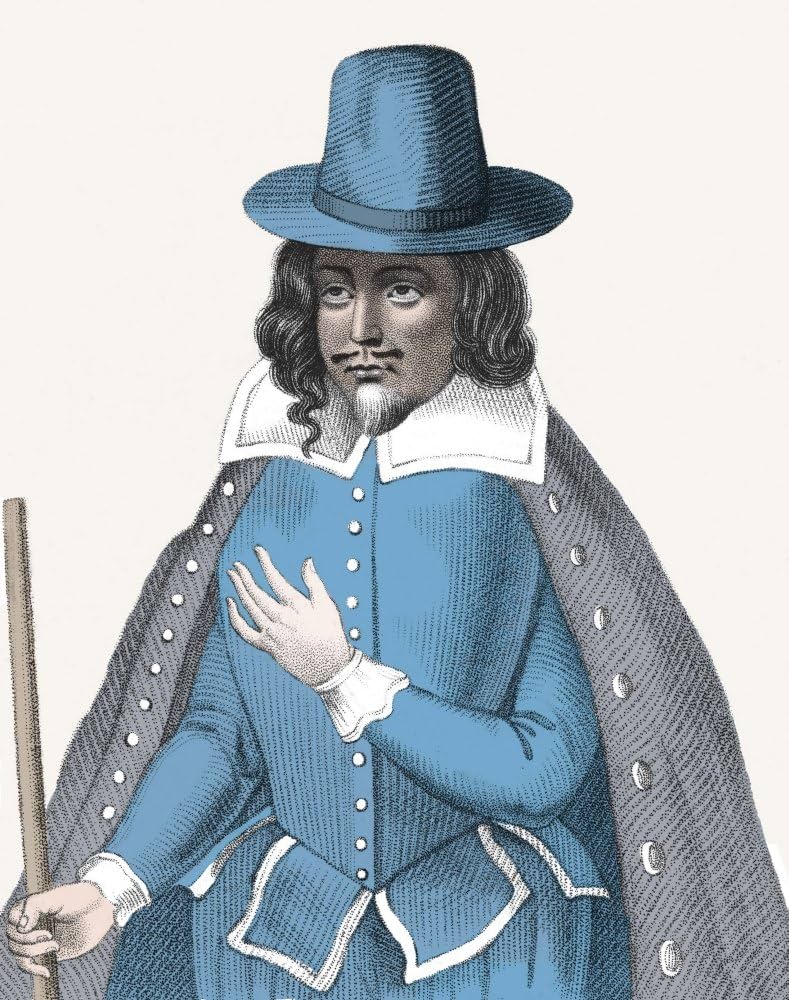
Furthermore, by the early to mid-17th century, the legal system was actually doing more to restrain than abet it. In England, torture was outlawed after King James’ (The King Who Hunted Witches) death. In Spain, where courts and local authorities strictly followed the law, less than 500 were executed in total. This is a stark comparison to Scotland! Additionally, religious war/ the Reformation & Counter-Reformation overpowered the legal system in areas suggesting a more prominent influence, these areas include: Germany, France and England during the Civil War. The breakdown of legal authority in England during the Civil War in the 1640s, when assizes were interrupted, allowed individuals such as Matthew Hopkins, the self-titled ‘Witch-Finder General’, to thrive (seen in pic).
I feel as though a clear pattern is emerging in how this book changed my opinion. To remind you, I went into this book believing that the legal system was the most significant (by far) factor in the witch craze. However, after reading this book, I can confidently say this is no longer. Levack has altered my view significantly and turned it towards the idea that all these factors created a conducive environment to allow an increase in persecution to occur. However, I do still believe that ultimately all these factors occurred circle back to and were under the guise of the inquisitorial system and had it not been for the Acts naming it a felony and then allowing the use of torture in trials a ‘craze’ would not have occurred – instead trials would’ve been sporadic and geographically isolated incidents as seen before.
To conclude, I do still believe that if you kept the accusatorial system in place and no legal changes were made, no matter how substantial the other impacts were, e.g. religion and socio-economic, the gap left by the ‘non-existent’ inquisitorial system would not be able to be filled. However, rather than saying the legal system was the sole facilitator, I now believe in the multi-causal approach as depicted by Levack. So overall, I would recommend it to anyone interested in the topic!
For my next post, I’ll aim to do something other than witchcraft to avoid repetitiveness 🙂



 Mimi's Mem's
Leave a comment